This page is a compilation of my content and my favorite resources available to target literacy in speech therapy – discover tons of ideas, activities, websites, and resources! Bookmark this page or save it to Pinterest with the image at the bottom!
Speech therapists play a direct role in literacy development for those with communication disorders. They work on emergent literacy skills in children with suspected literacy-related learning difficulties. Their unique knowledge of language is ideal for teaching literacy skills since oral language provides the foundation for reading and writing development.
SLPs are trained to identify early signs of language delays, often precursors to literacy difficulties. In addition, SLPs conduct assessments that examine both spoken and written language abilities. This includes phonological awareness (understanding sound structures), decoding skills (reading), and comprehension.
There are strong connections between literacy and spoken language – and even spelling. Children who have trouble acquiring language are at an increased risk of reading and writing difficulties. There is a strong correlation between children with a speech/language delay and reading difficulties.
Speech therapy is strongly correlated with literacy skills. And you, as an SLP, are most likely incorporating literacy skills without even consciously realizing it!
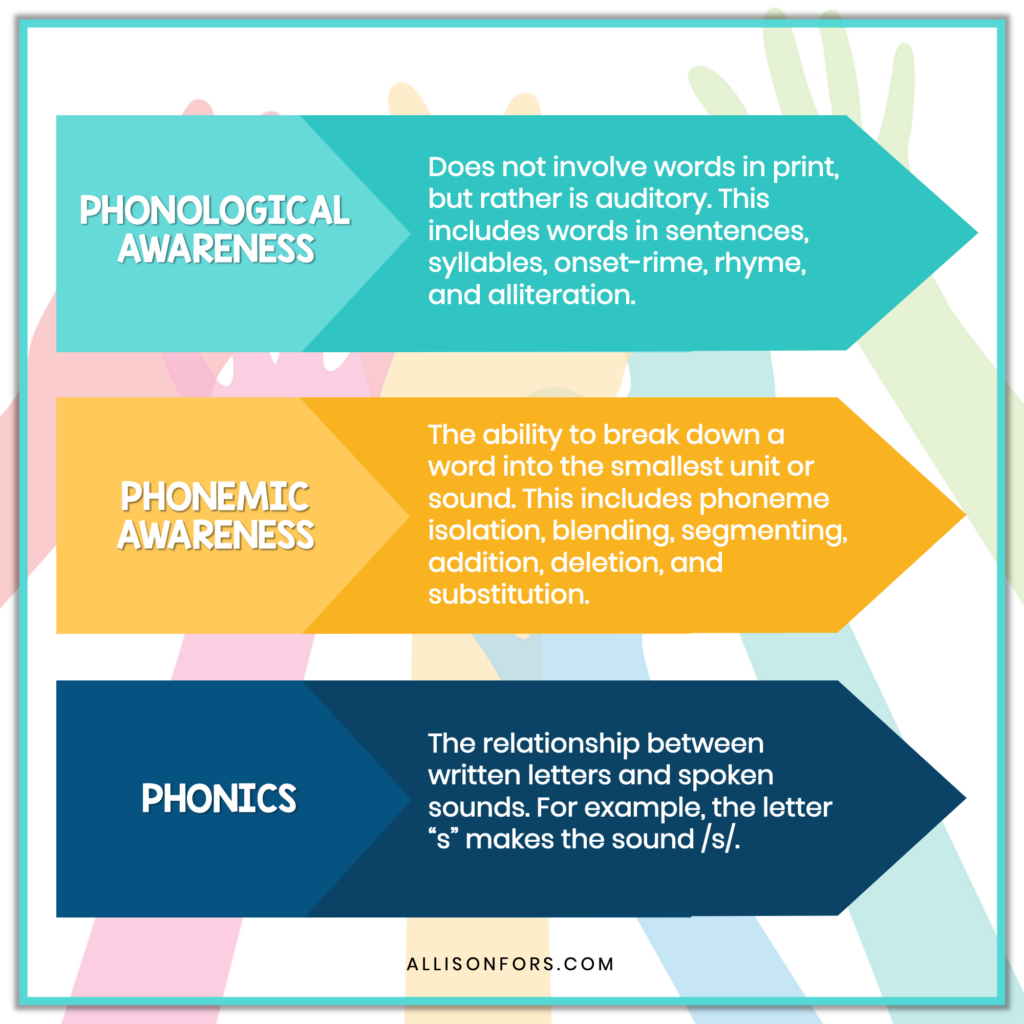
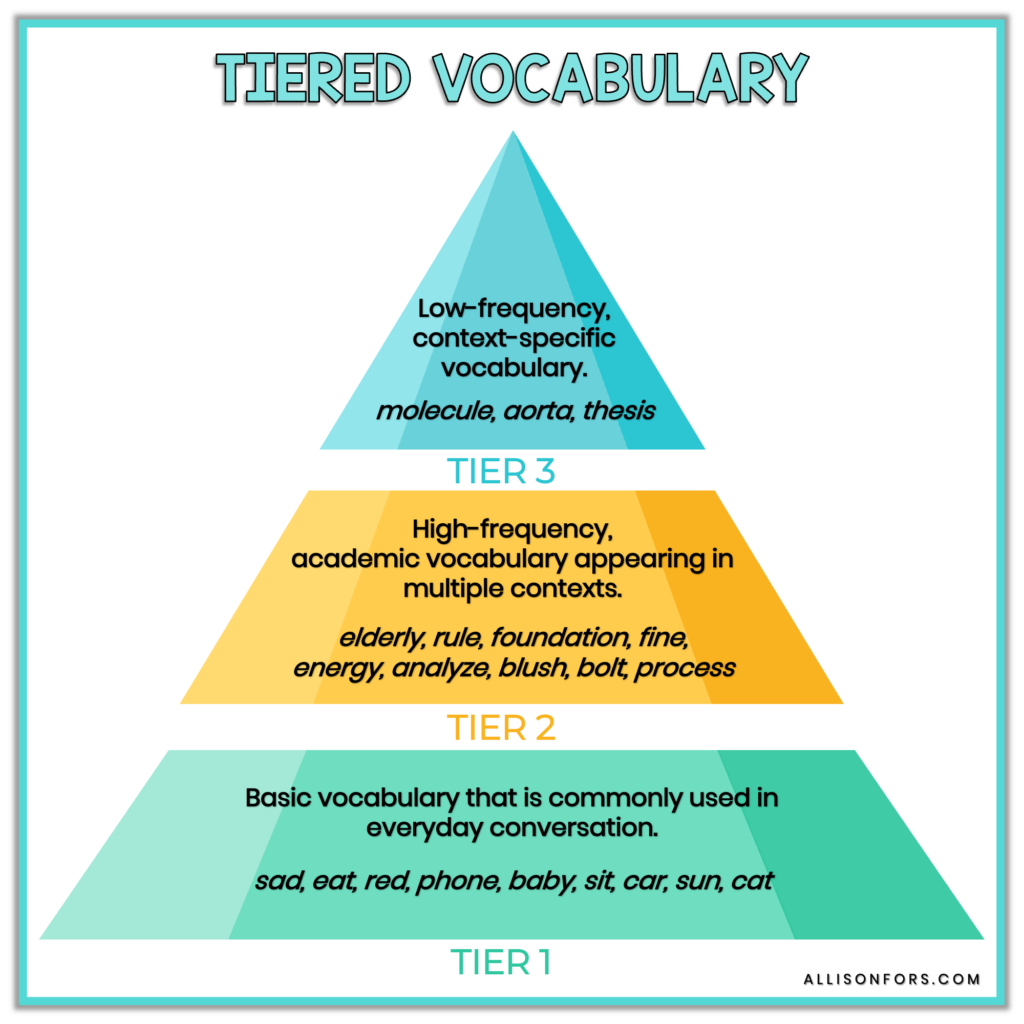
What is the Role of SLPs in Literacy Intervention?
Top Read-Aloud Strategies for Speech-Language Development
The Connection Between Speech Sound Disorders and Literacy
Literacy Strategies for Language Development
ASHA Disorders of Reading and Writing Topic Page
The Science of Reading – The Science of Reading, an evidence-based approach to reading instruction, has gained attention due to its stark contrast with other, less effective methods of reading instruction. These ineffective methods include whole language, balanced literacy, and three-cueing approaches, which often de-emphasize systematic phonics. Understanding these differences is crucial for making informed decisions in early reading instruction.
Short Videos Pinterest Board – This Pinterest board is dedicated to short videos that I pull up in sessions. Use these videos as an engaging way to target many important skills, including inferences, predicting, comprehension, retelling, and more!
VOOKS – Vooks has a curated, ever-growing library of kid-safe animated storybooks. Their books include read-along pacing and a visual connection between the words and text.
EPIC! – GetEpic.com is a digital library of over 40,000 books, videos, and quizzes. I love that it features teacher-created collections to make session planning easier for you. All educators can sign up for free.
TUMBLEBOOKS – This is a curated database of eBooks for grades K through 6. It includes animated talking picture books, read-along chapter books, and graphic novels. You can access it from your web browser or download their app. They offer free trials and special pricing for schools.
THE LITERACY SHED – The Literacy Shed features a free collection of visual resources from YouTube, Vimeo, and other websites. Many are suitable for elementary-aged children, though there are also some resources for younger children. I love that each video includes some ideas for how to use it. Their entire library is available for free.
OXFORD OWL – This resource has over 100 free eBooks for children between ages 3 and 11. You can search through the library by age, reading level, and book type. All of their digital books are tablet-friendly.
STORYJUMPER – This free community library is full of illustrated and narrated storybooks created by other users. If you like, you can also create and share your own stories! You can also pay to publish your own book or download the eBook to print it yourself.
MAGIC KEYS – This site has dozens of free digital books for children of all ages. You can search by three categories: young children, older children, and young adults. Some are illustrated, some are animated, and many include audio formats.
PROJECT GUTENBERG – This library has hundreds of ebooks, from picture books to classic fairy tales. Their Children’s Bookshelf is sorted into categories. Most of them can either be read in the browser or downloaded.
STORYLINE ONLINE – This website has a library of videos featuring actors reading the books out loud, along with illustrations. You can view them for free with their links to YouTube, Vimeo, and SchoolTube, or buy the book for download. Readers include James Earl Jones, Viola Davis, Betty White, and more.
The Informed SLP – A subscription-based service that summarizes new research every month! Plus, check out the Grammar Guide mentioned in the “websites” section.
Reading Rockets Research Library – Browse the library for research guides and literacy-focused web resources. You can filter by topic and resource type.
Language, Literacy, and the SLP by Shari Robertson
Language & Literacy: Phonemic Awareness by Shari Robertson
Language & Literacy: Reading Fluency by Shari Robertson

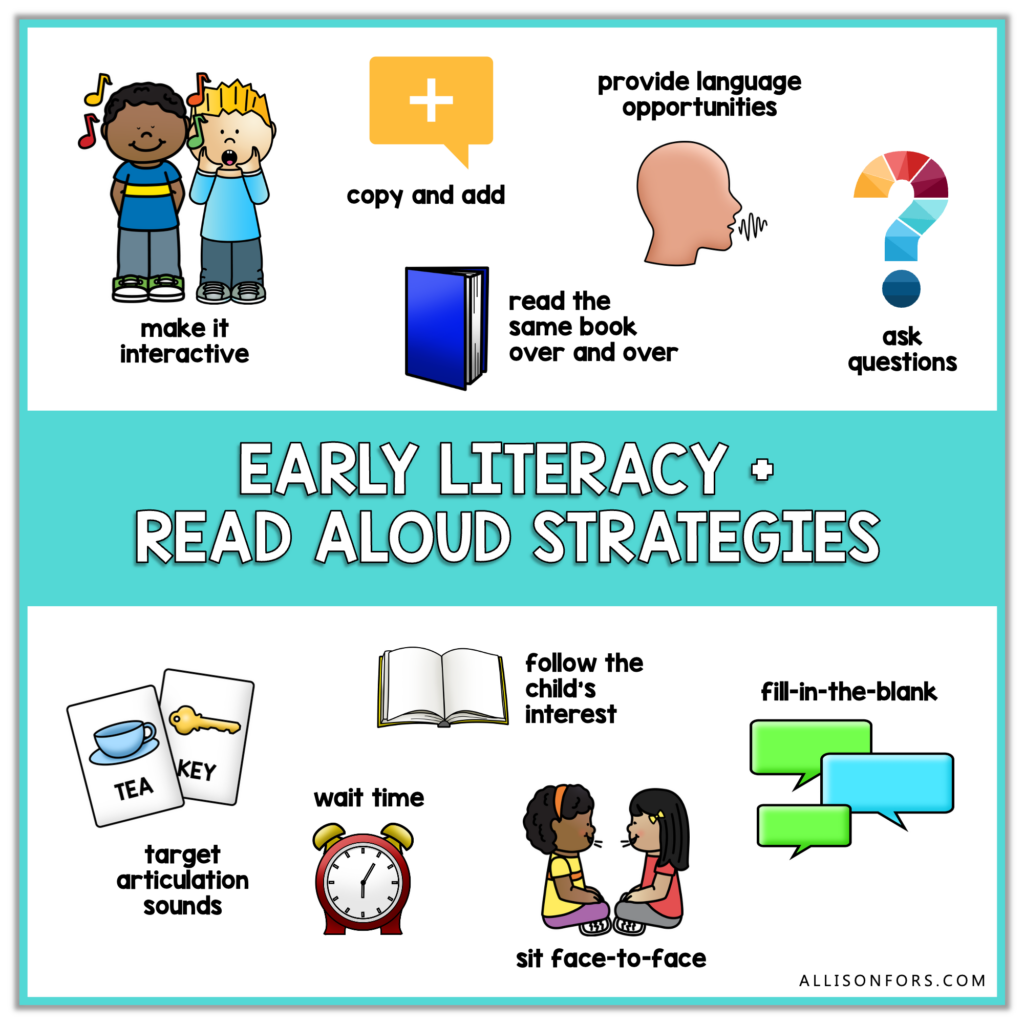
Speech Therapy Handouts – Free speech therapy infographics of developmental milestones, hierarchies, and graphics for SLPs and educators! Includes the images pictured above: Early Literacy and Read-Aloud Strategies, Phonological Awareness/Phonemic Awareness/Phonics, and Tiered Vocabulary.
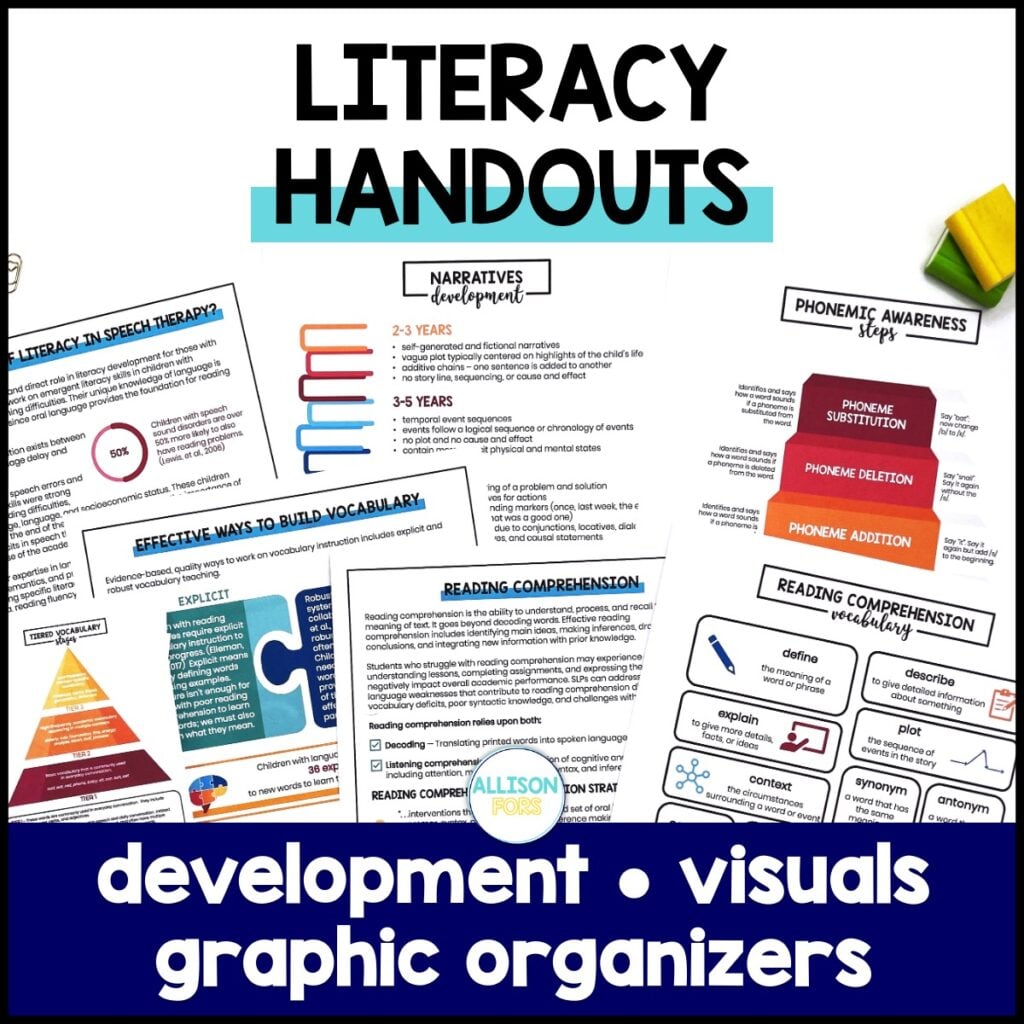
Literacy Development Handouts – This comprehensive literacy resource includes information on stages of literacy development, narratives, phonological awareness, phonemic awareness, phonics, building vocabulary, reading comprehension strategies, and much more. Understand the correlation between speech sound disorders and literacy – plus how to improve literacy skills for children with speech and language delays!
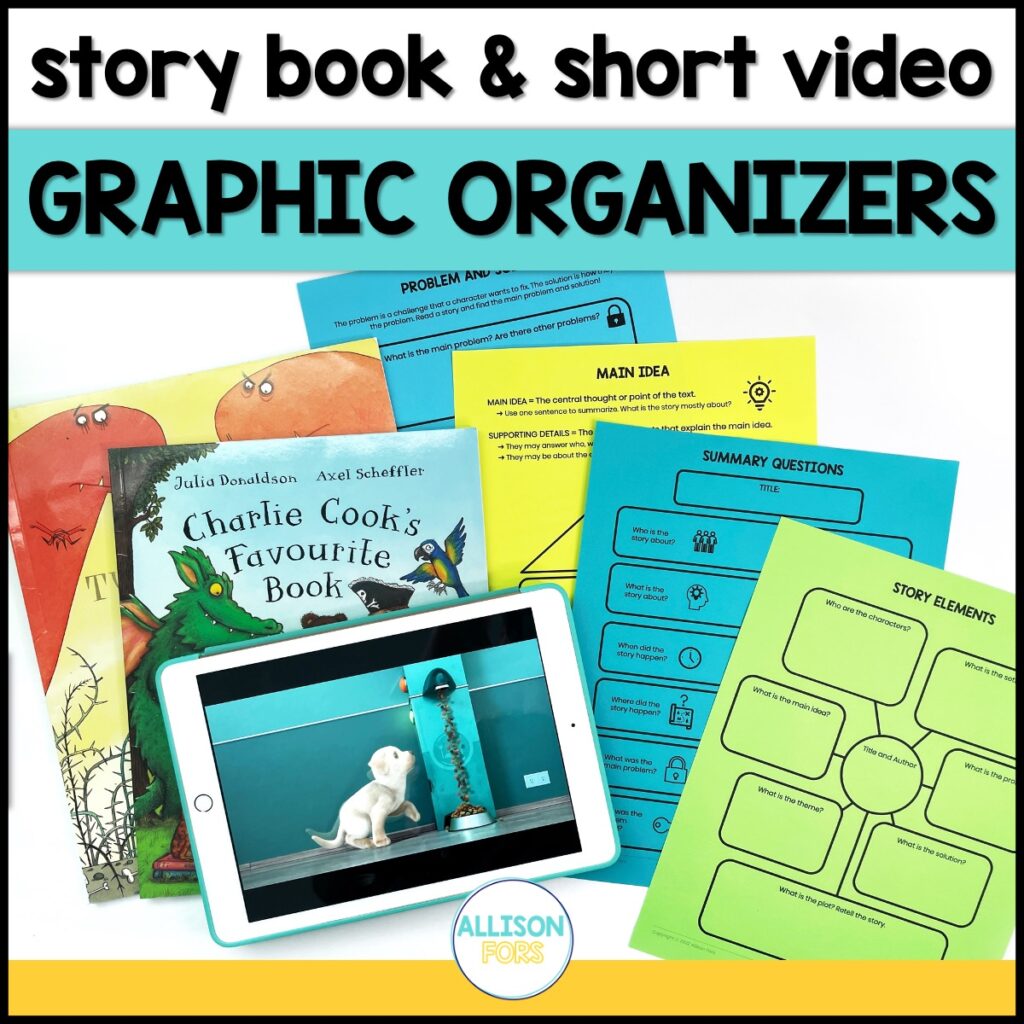
Story Elements Graphic Organizers – Includes character traits, main idea, story retelling, sequencing, comparing and contrasting, and more. These versatile graphic organizer visuals support literacy skills, narrative comprehension, retelling, summarization, and generation. Your go-to resource to pair with books – and short videos!
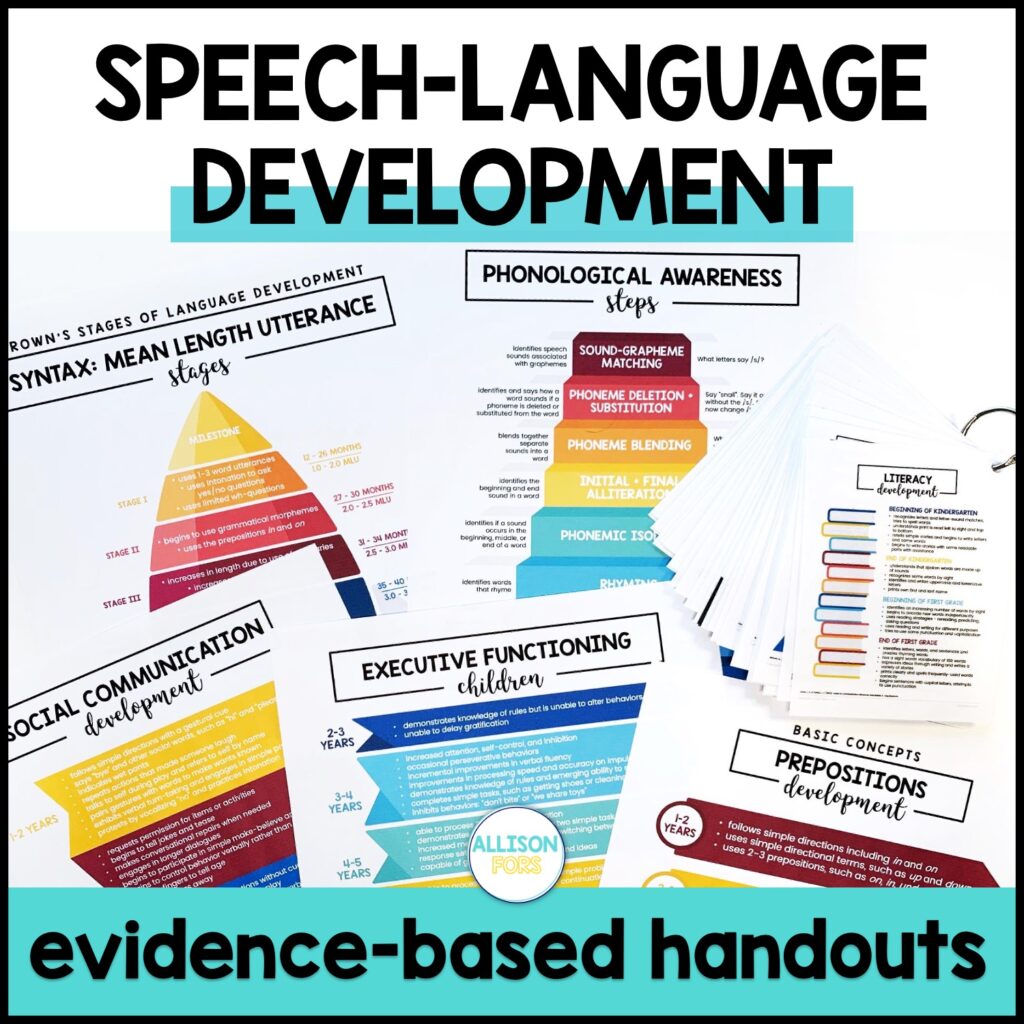
Speech-Language Development Handouts – Evidence-based infographics with definitions and explanations. Includes charts and information on literacy development, phonological awareness development, and the 5 pillars of reading.
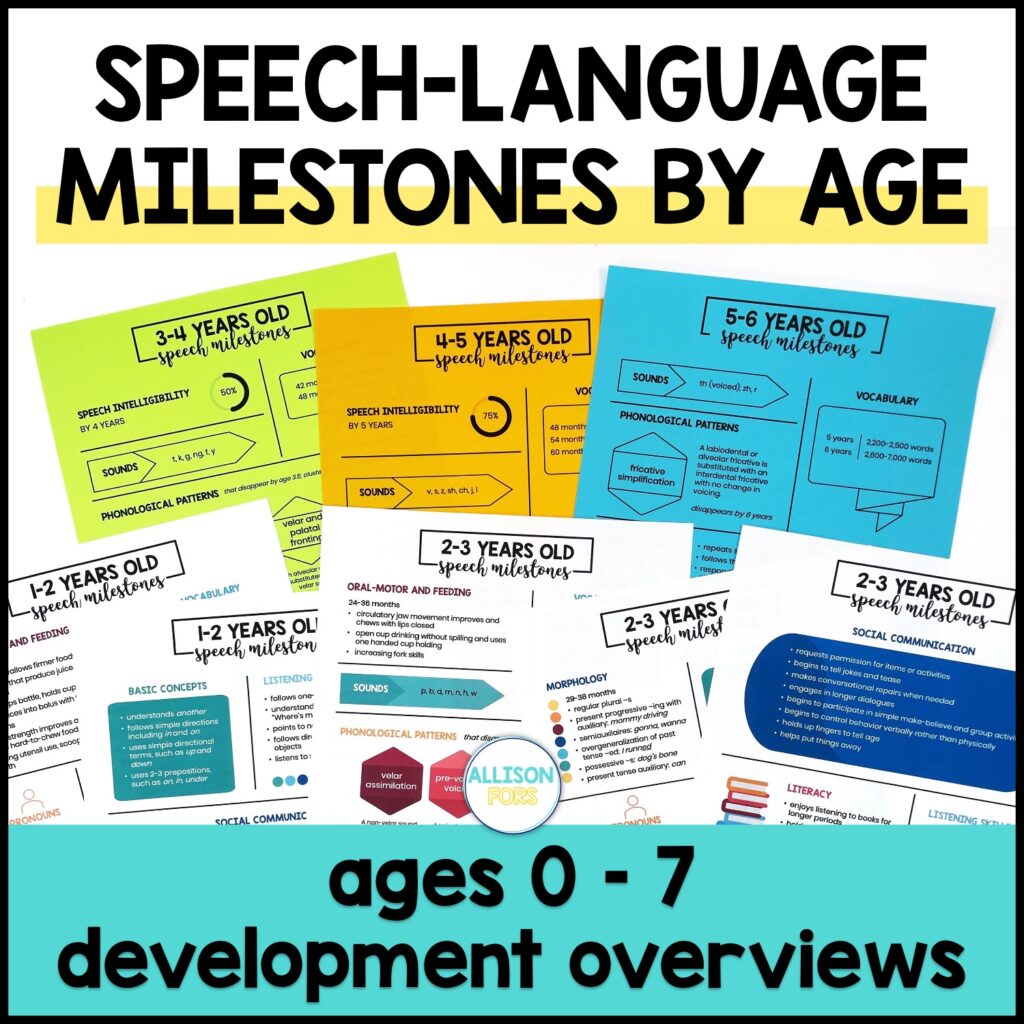
Speech Therapy Milestones Parent Handouts – These reference pages provide an overview of speech and language milestones (including literacy) at different ages. Great for concise, easy-to-understand handouts to give to parents based on age!
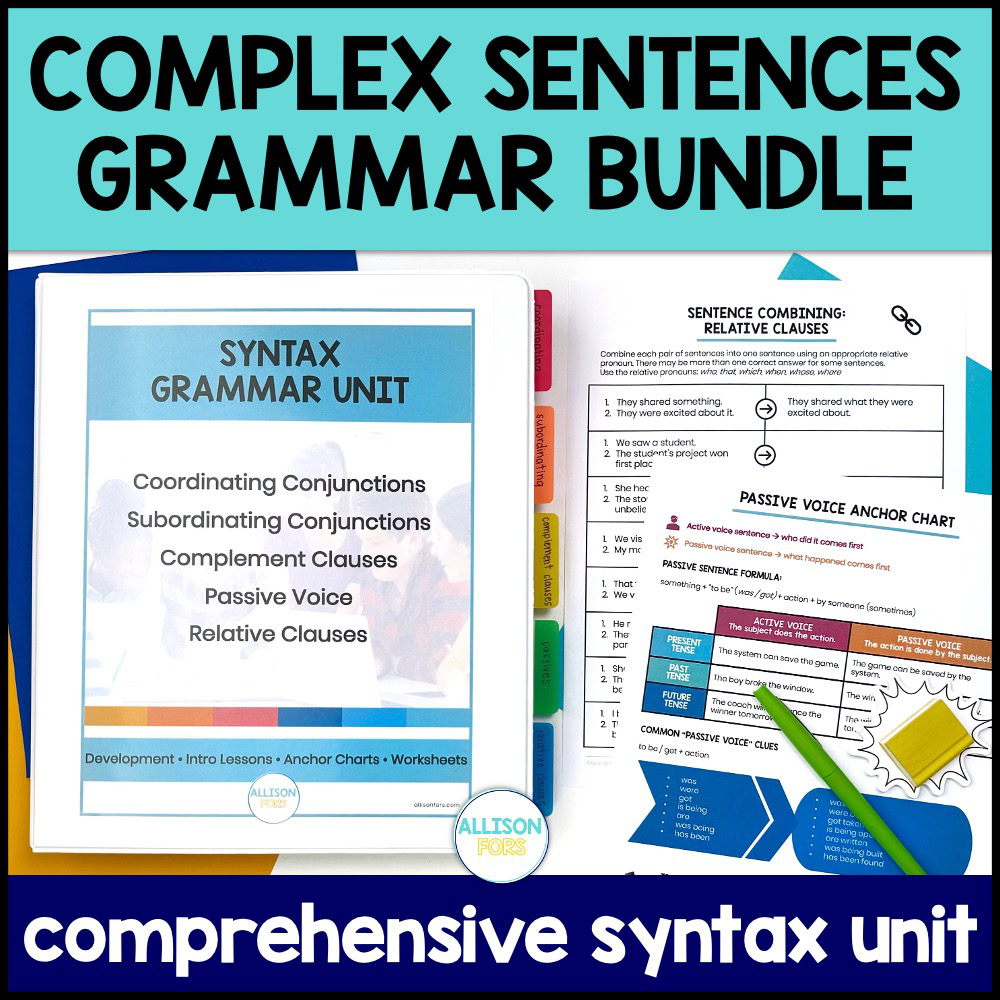
Complex Sentences Grammar Bundle – Research consistently shows that weak syntactic structure is closely tied to higher-level language and literacy difficulties. Syntax may be the missing link for students who struggle with reading comprehension, inferencing, WH-questions, story retells, or writing.