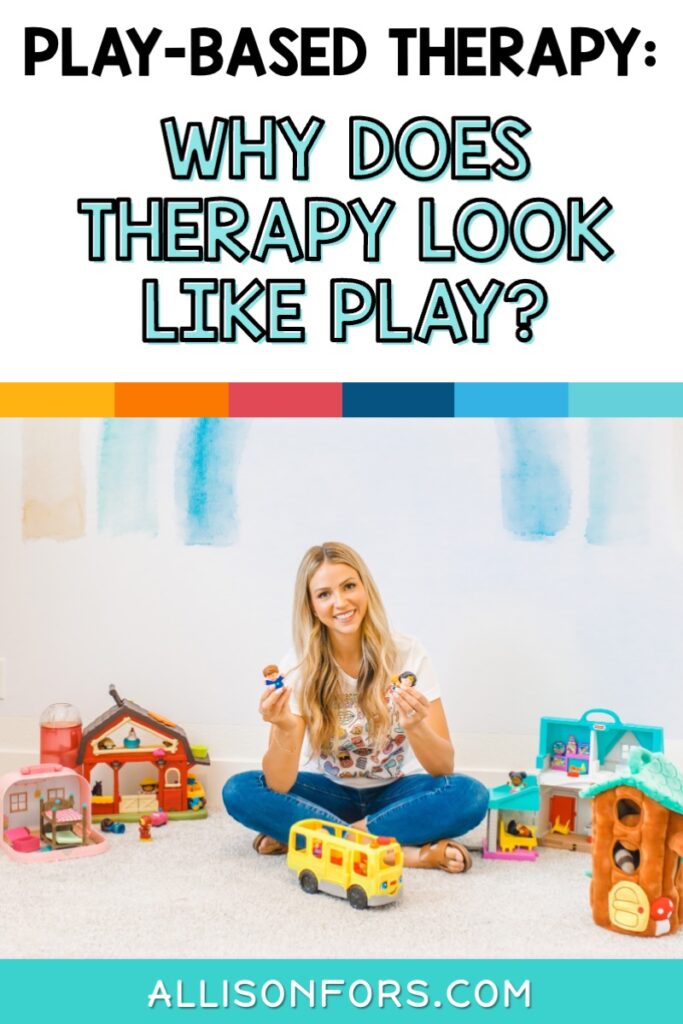

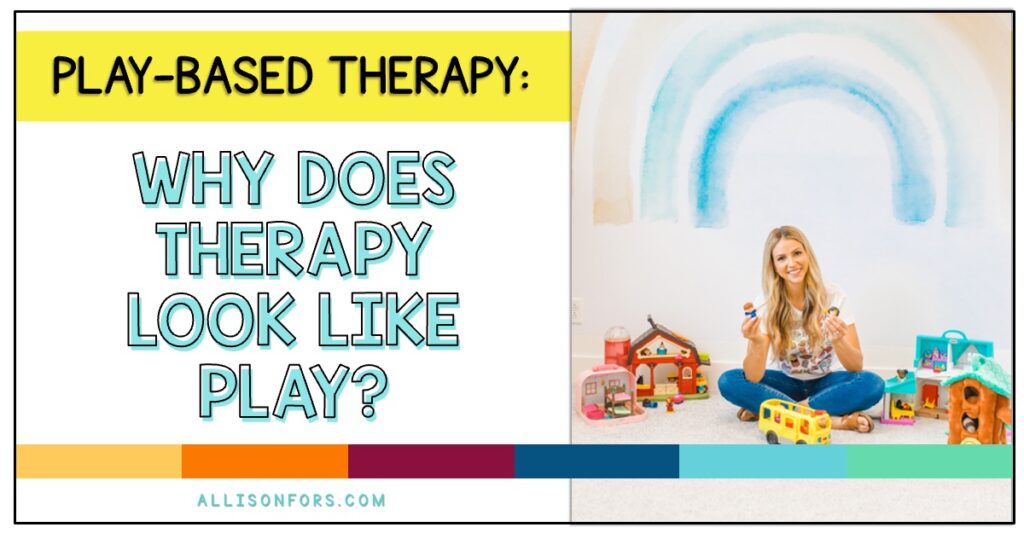
If you’ve ever peeked into a speech therapy session and seen a child building towers, pretending to cook, or racing toy cars, you might wonder—Is this really therapy? The answer is yes! Play is one of the most powerful ways children learn, and in speech therapy, it’s not just fun—it’s intentional.
Play-based speech therapy is designed to help children develop communication skills in a natural, engaging way. Instead of drilling words or sitting through structured exercises, children learn through meaningful interactions embedded in play. This approach builds trust, reduces stress, and makes therapy feel like an enjoyable experience rather than a task.
Play is an effective approach in speech-language pathology because it aligns with the natural way children learn and engage with the world. By embedding therapy goals into play, speech therapists can boost engagement, encourage social communication, support cognitive and language growth, and promote skill generalization.
It creates a supportive and engaging environment that encourages participation. By fostering intrinsic motivation, it helps children take an active role in their learning while reducing stress and anxiety associated with performance. This approach allows speech and language skills to develop naturally, building on what the child already knows and making it easier for caregivers to reinforce these skills at home. Additionally, play-based therapy promotes the generalization of skills, ensuring that children can apply what they learn across different settings and interactions.
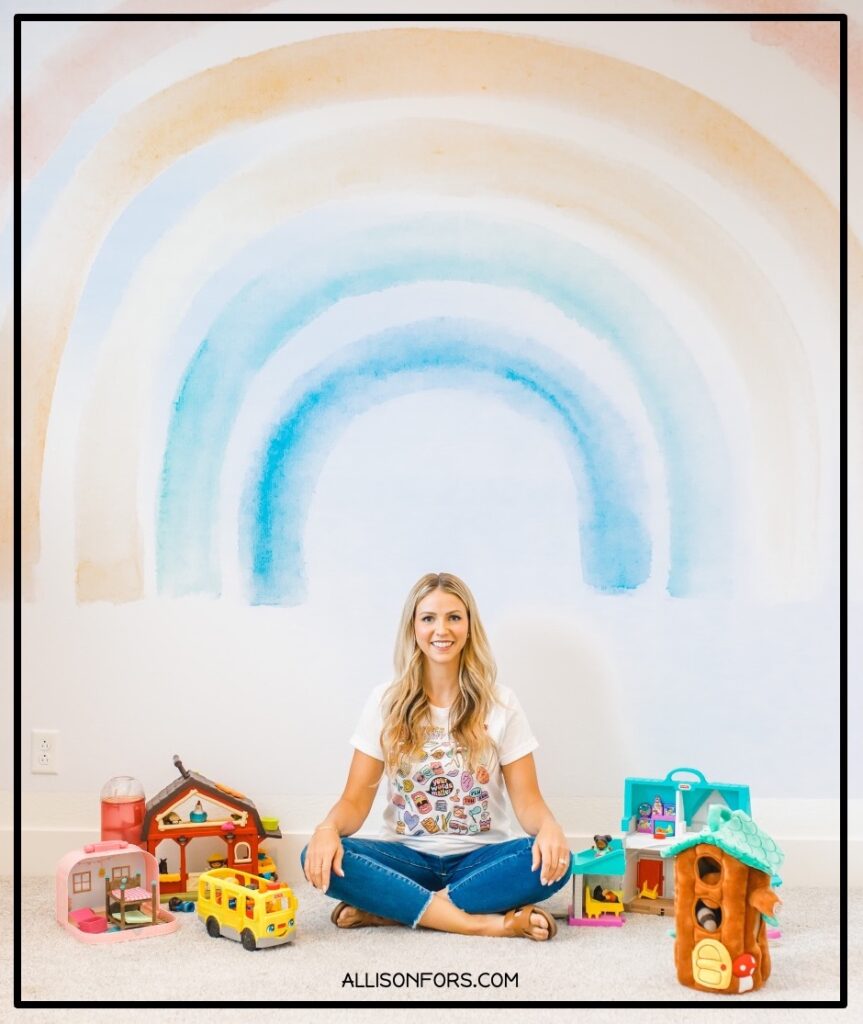
When children are engaged in play, they naturally communicate—whether through gestures, sounds, words, or full sentences. A therapist might model new vocabulary, encourage turn-taking, or expand on what the child is saying (“Oh! You’re feeding the baby. She must be hungry!”). Because the interaction is fun and meaningful, children are more motivated to participate.
You may see this when the therapist:
Children learn best when they feel safe and relaxed. Play lowers anxiety and creates a positive environment where children feel comfortable experimenting with new sounds, words, and sentence structures. When they’re having fun, they’re more likely to stay engaged and participate actively.
Many children in speech therapy need support with social communication. Play provides opportunities to practice important skills like eye contact, turn-taking, problem-solving, and understanding emotions—all in a low-pressure, natural setting.
Skills learned in structured activities don’t always transfer to real-life situations. Play-based therapy bridges this gap by integrating speech and language skills into activities children naturally engage in outside of therapy—making it easier to carry over skills to home, school, and social settings.
Every child communicates in their own way. Some may use words, while others rely on gestures, pictures, or devices. Play-based therapy honors all forms of communication and gives children a safe space to express themselves in the way that feels most comfortable to them.
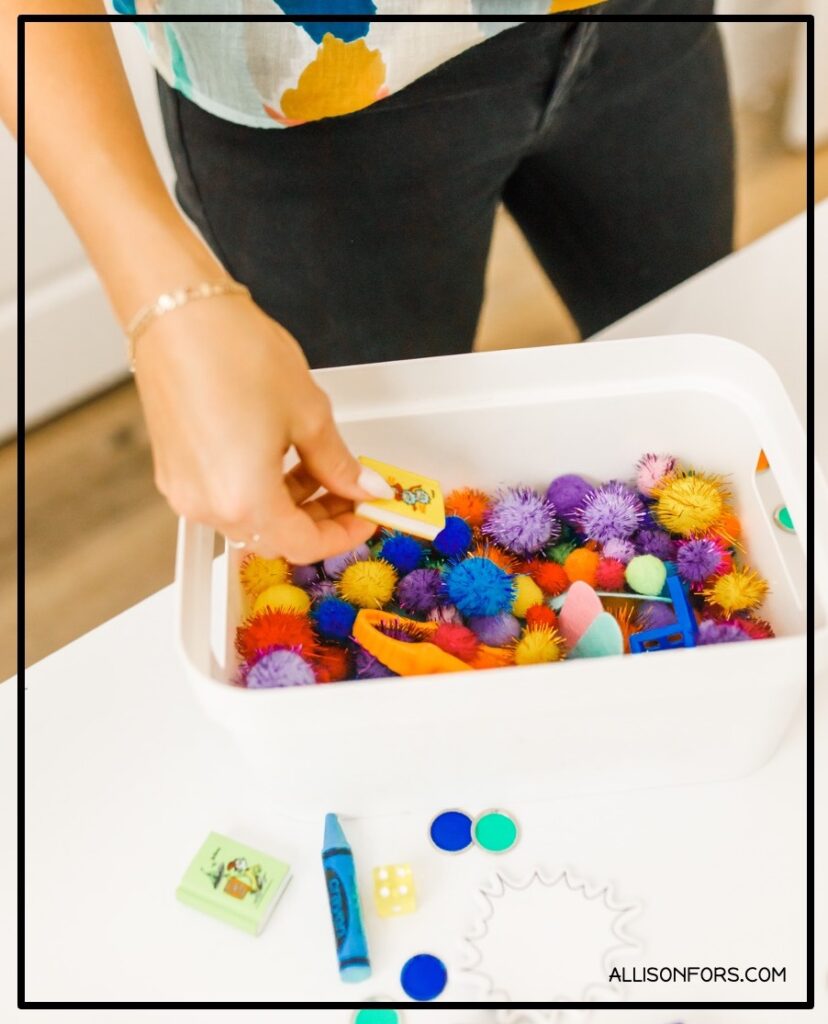
While play-based therapy may look like simple fun, every activity is thoughtfully planned to target specific speech and language goals. A therapist might choose a game to encourage problem-solving, a sensory bin to target descriptive language, or a pretend play scenario to build conversation skills. The key is balancing child-led play with specific therapy strategies, ensuring that each session is both enjoyable and effective.
One of the best things about play-based therapy is that caregivers can easily incorporate the same strategies at home. Whether reading a book, playing with dolls, or racing toy cars, parents and caregivers can model language, narrate actions, and encourage interaction—just like in therapy!
The Play-Based Therapy Handouts Guidebook is geared towards early intervention and preschool SLPs and SLPAs for effective play-based speech therapy sessions. Feel confident when planning and executing play-based therapy sessions.
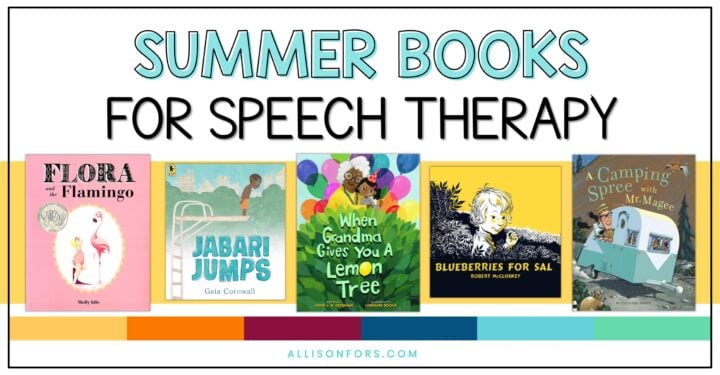
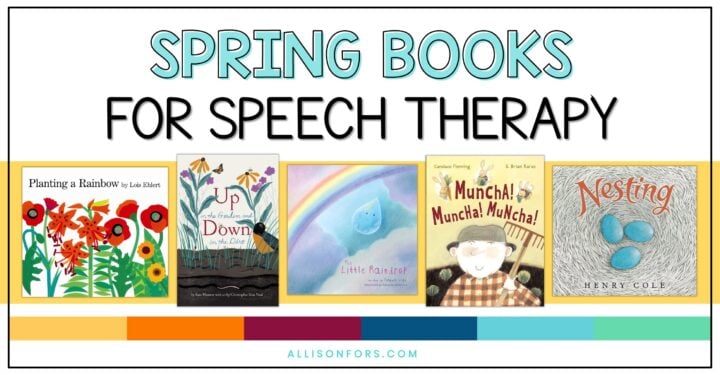
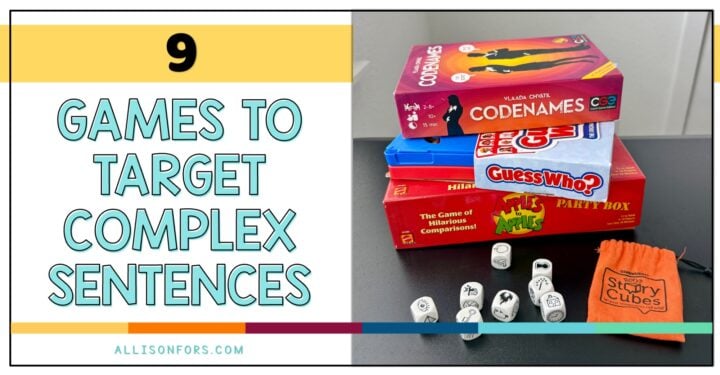
This well-rounded guidebook explains what child-led therapy looks like and the research behind play-based learning. It provides countless tips and activity ideas for toys, games, books, and themes with specific speech and language targets. Use pages as parent handouts to explain what play-based therapy is and why it’s beneficial, the development of play skills, tips for choosing toys, book and game ideas, how to use everyday objects as tools, and more.

You may also be interested in reading:
Engaging Cause and Effect Toys for Early Intervention
Preschool Must-Haves for Speech Therapy

If you enjoyed this post, please share it!