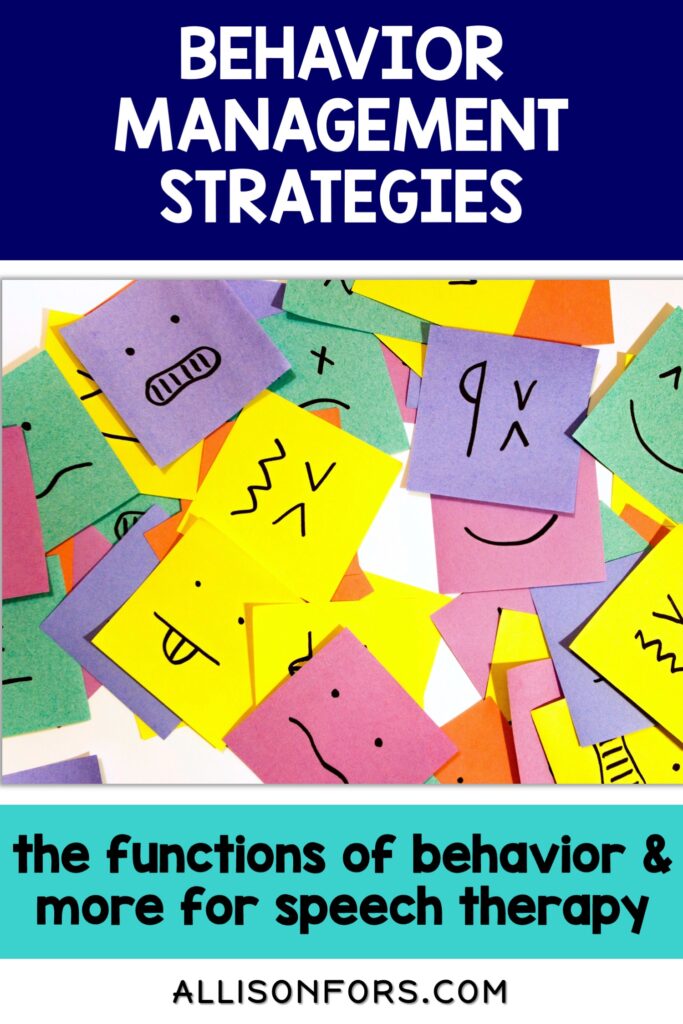
Managing behaviors in speech therapy or the classroom is a crucial part of creating an environment where students can thrive and learn. First, understanding the function behind these behaviors is key in understanding the root cause of a child’s actions. Then applying effective management strategies is critical to helping students succeed.
The functions of behavior refer to the reasons or motivations behind why a person engages in a particular behavior. Understanding these functions is essential for speech therapists and special education teachers, as it helps create effective behavior management strategies tailored to students’ individual needs.
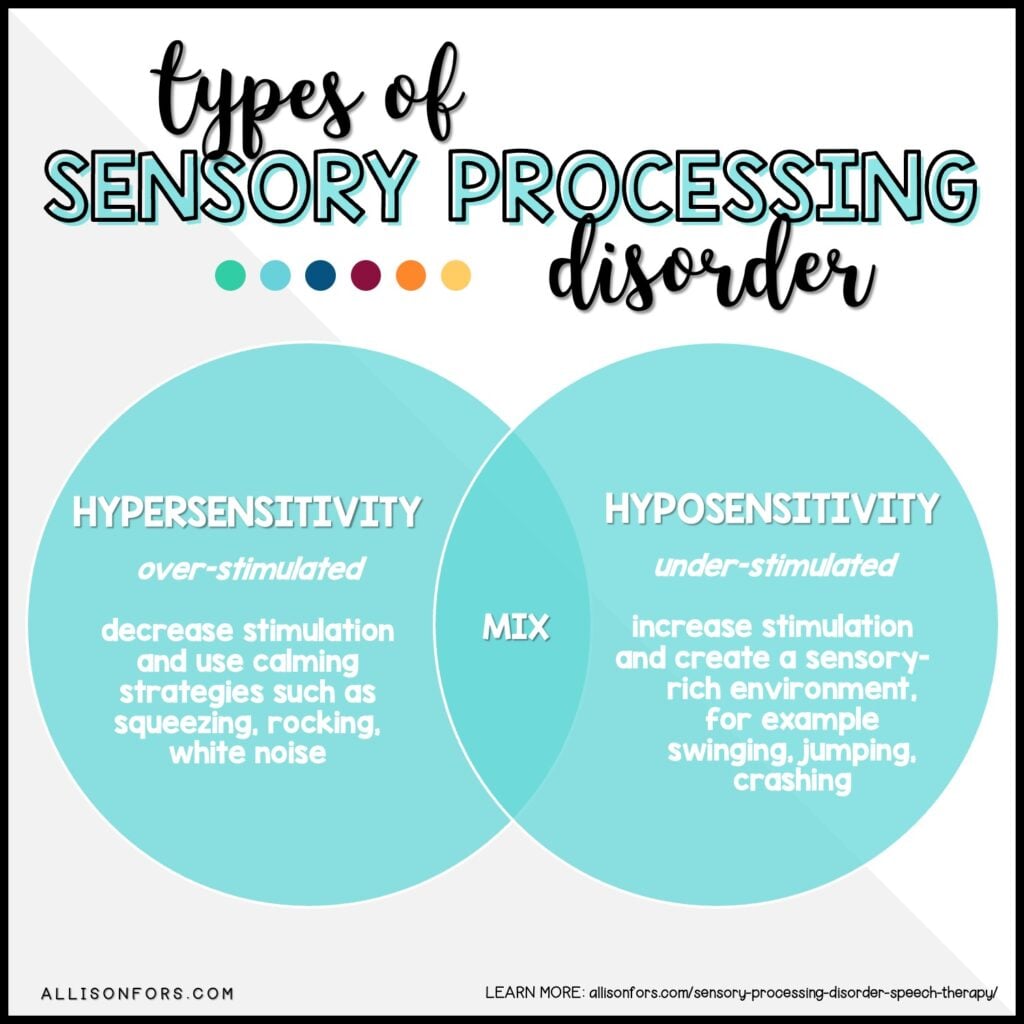
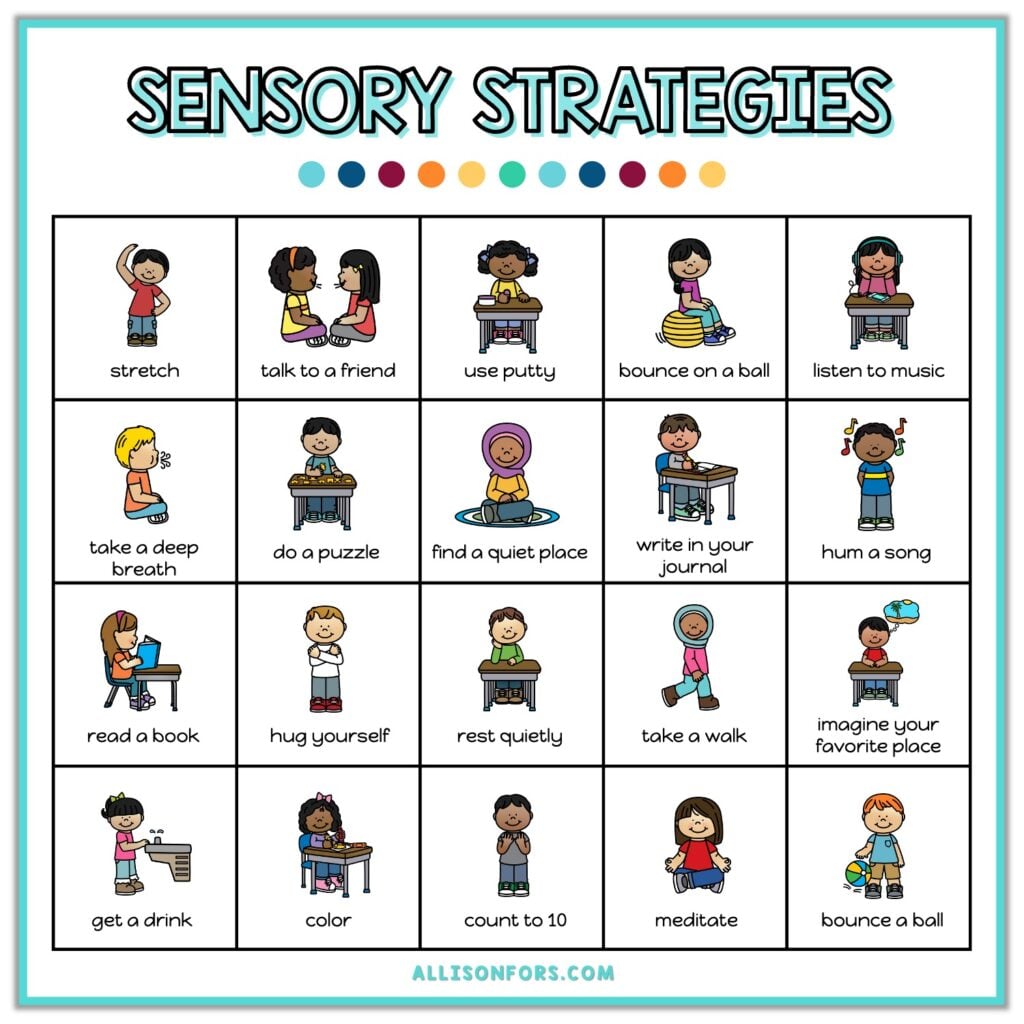
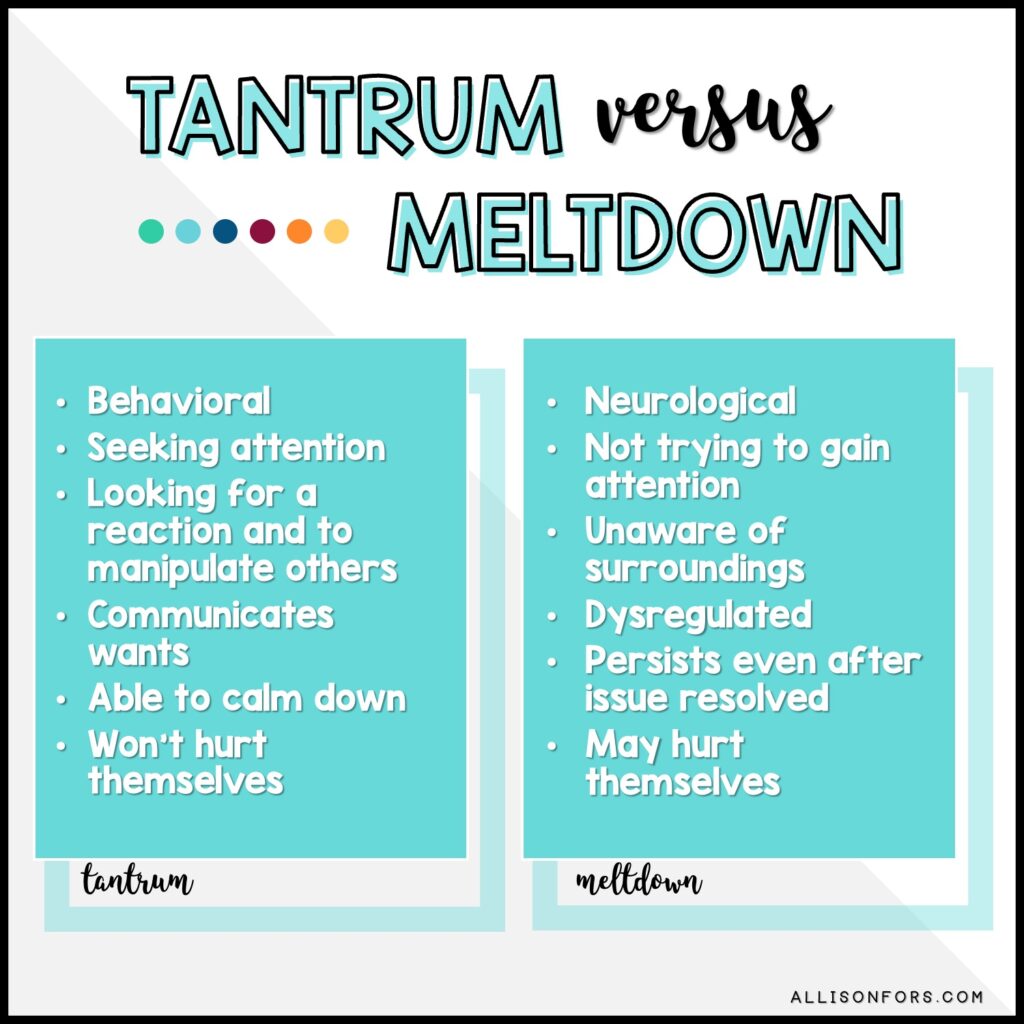
Download these helpful handouts for free!
Understanding why a behavior occurs allows educators and therapists to create more targeted interventions. For example, if a child acts out to avoid tasks, the intervention might focus on modifying the task or teaching alternative strategies for managing discomfort.
Identifying the function of a behavior helps to proactively prevent the triggers that lead to inappropriate behaviors. Once the function of the behavior is understood, it’s easier to replace negative behaviors with positive, functional alternatives.
Build rapport: Establish a positive relationship based on trust and respect with students. By building rapport, you create a foundation for more effective behavior management. Students are less likely to engage in challenging behaviors when they feel understood, valued, and supported.
Set clear expectations from the start: Begin by introducing rules and routines right from the start. Use simple, clear language to outline these expectations. Clear expectations help students understand what is required of them, reducing confusion and anxiety that can lead to inappropriate behaviors. When students know what is expected, they are more likely to follow routines and participate in classroom or therapy activities.
Be Specific and Concrete: Vague instructions like “Behave well” or “Be good” can be confusing. Be specific about what behavior you want to see. For example, “Please walk quietly to your seat” or “Raise your hand to ask for help.”
Use Visual Supports: Visual aids, such as schedules or visual timers can help students process and remember expectations. For instance, a visual schedule of the day’s activities can help students anticipate what will happen next and prevent issues during transitions.
Positive Reinforcement: Reinforce positive behaviors that serve the same function as the negative behavior. For instance, if a student is acting out for attention, provide attention for appropriate behaviors instead.
Teach Replacement Behaviors: Teach students more appropriate ways to meet their needs. For example, instead of yelling for attention, teach the student to raise their hand.
Modify the Environment: Change environmental factors that contribute to behaviors. This could involve adjusting the difficulty of tasks or offering movement.
Consistent Routines: Establish predictable routines to help students feel more secure and reduce behaviors triggered by uncertainty.
Collaborative Approach: Work closely with parents, caregivers, and other professionals to ensure consistency in behavior management strategies across different environments.
Behavior Management Scenes: Use the scenes and cards to identify and discuss safe and respectful behaviors and how our choices affect others. Includes discussion questions, strategies, and a social story.

Boom Cards Behavior Management: An interactive Boom card deck to identify and discuss safe and respectful behaviors and how our choices affect others. Includes discussion questions, strategies, and a social story.

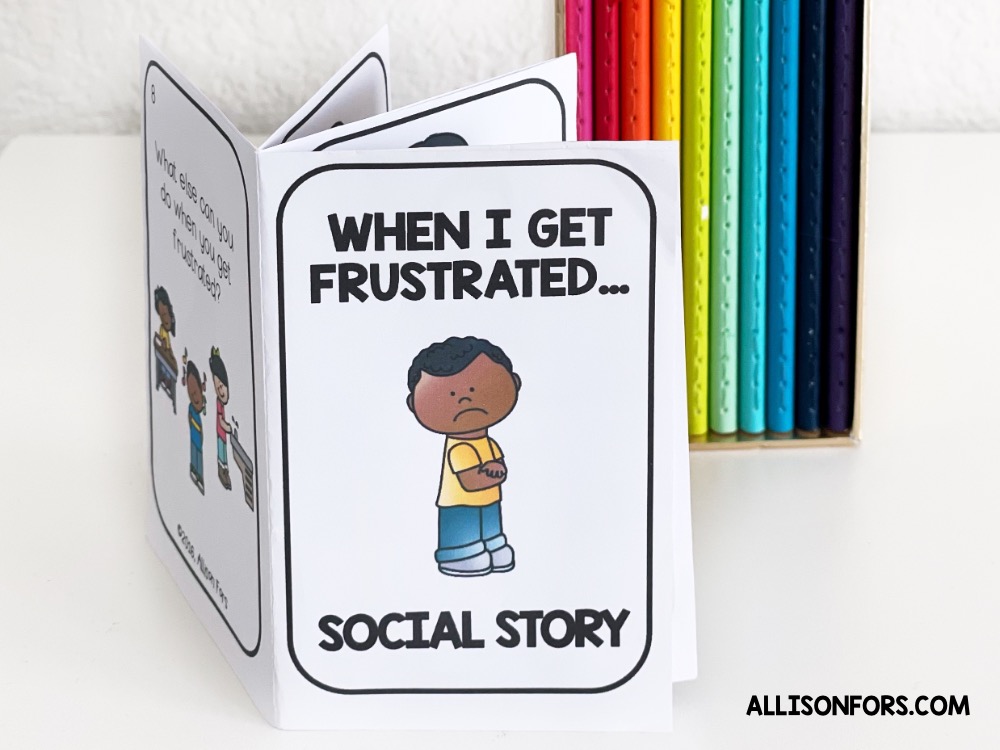
Free Behavior Social Story: A social narrative mini-book on how to handle frustration with calming strategies. A great way to discuss feelings and appropriate ways to express them!
Do have your own strategies for behavior management?
You may be interested in reading:
Strategies for Easier Transitions
Using Visual Supports
Would you like access to exclusive freebies? Sign up below for access to the freebie library – plus a discount code!

If you enjoyed this post, please share it!