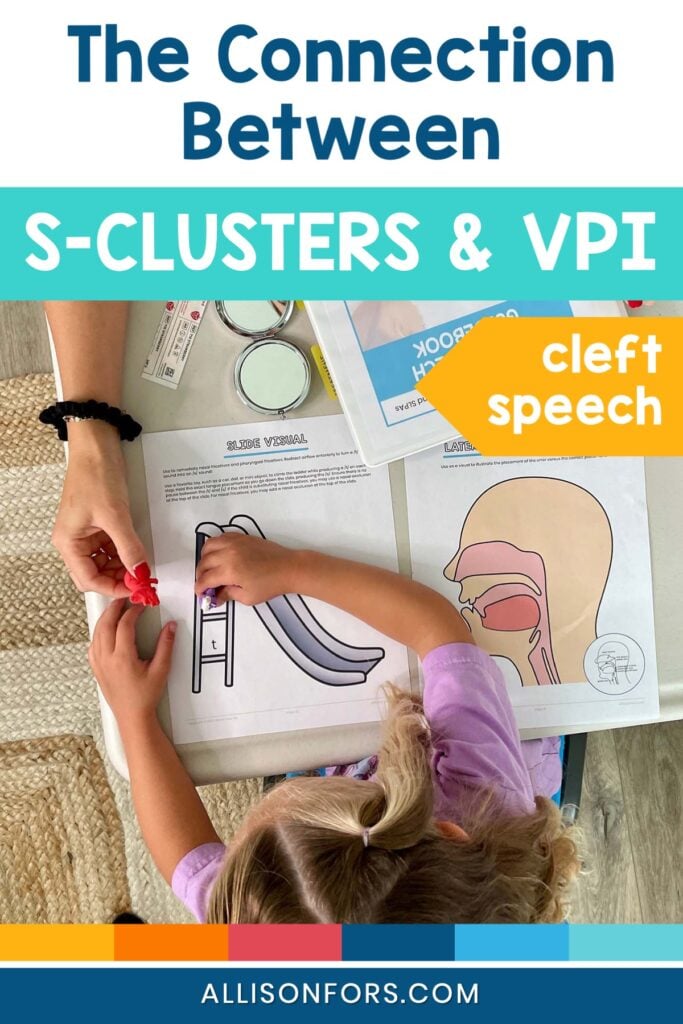


When velopharyngeal insufficiency (VPI) is present, one of the earliest and most noticeable speech breakdowns often occurs on s-blend clusters, also called s-clusters. These sound combinations can be especially revealing because they demand some of the highest levels of oral airflow control and velopharyngeal closure in connected speech.
For many children, a single /s/ in isolation may sound acceptable. However, when speech becomes longer, faster, or more complex, the velopharyngeal system is placed under greater demand. That’s why s-clusters can be such an important “stress test” for identifying possible velopharyngeal dysfunction.
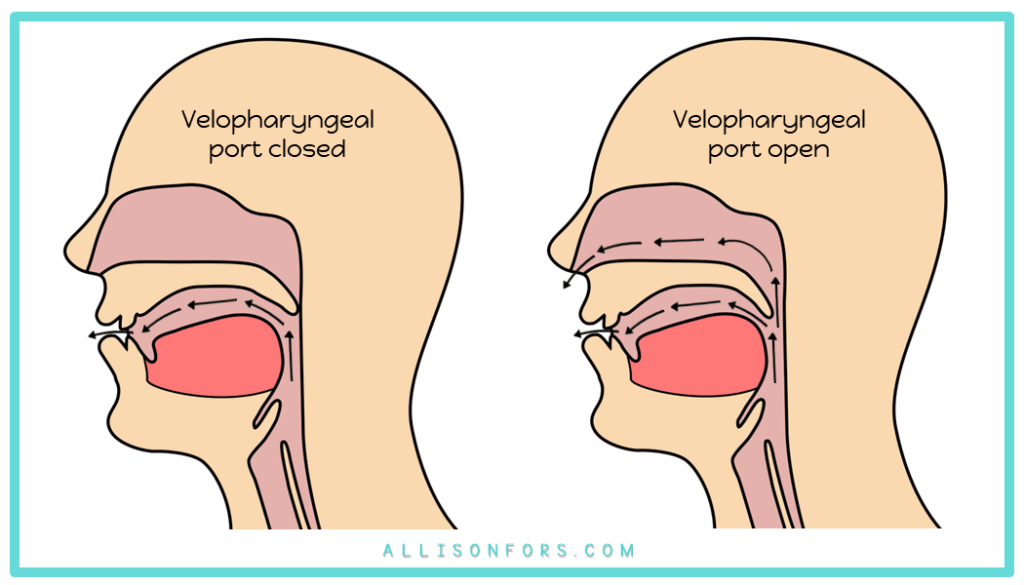
S-clusters require the speaker to maintain sustained oral airflow while also generating high intraoral pressure. This combination is particularly difficult when the velopharyngeal valve cannot close completely. Even a small gap can allow air to escape through the nose, leading to distortions that may not respond to traditional articulation therapy.
High-pressure consonants depend on tight velopharyngeal closure. When closure is incomplete, the result may be nasal emission, weak consonant production, or compensatory articulation patterns. This is why consistent breakdowns on these sounds may indicate that therapy alone is not the appropriate first step.
Some of the most VPI-sensitive s-clusters include:
When VPI is present, clinicians may notice:
A key point: the child may sound much better on low-demand speech tasks, but errors emerge as complexity increases.
One of the most telling clinical patterns is that single sounds may appear accurate, but breakdown occurs in phrases such as:
Stop the bus
School is starting
Spill the soup
Sticky spot
Skate fast
To increase diagnostic clarity, compare these productions with low-pressure words, such as: mom, moon, baby, me, and no.
Low-pressure consonants (nasals and vowels) do not require the same VP closure demands. If speech sounds significantly clearer on these words but breaks down on pressure sounds, structural involvement should be considered.
A helpful rule of thumb:
Patterns matter more than single sound errors.
When VPI is suspected, the best next step is often referral for structural assessment, not articulation therapy alone. If a child cannot build oral pressure due to structural VP insufficiency, practicing /s/ blends will not “fix” the closure problem.
In cases of true VPI, articulation therapy may lead to limited progress in articulation therapy, increased frustration, and development of compensatory misarticulations.
Instead, therapy should focus on appropriate speech placement after structural or medical concerns are addressed.
Referral for velopharyngeal assessment should be considered when you observe:
A referral may include evaluation by a cleft/craniofacial team, craniofacial ENT, or imaging such as nasoendoscopy or videofluoroscopy.
The Cleft Palate Speech Guidebook is a comprehensive manual for evaluating and treating cleft speech. This unique cleft speech book has concise, easy-to-understand information for SLPs and SLPAs to assess cleft speech. In addition, how to treat articulation and compensatory errors. It contains over 100 pages of accessible information to feel confident in treating cleft speech!